What is a commercial PPA?
A commercial Power Purchase Agreement (PPA) is a long-term contract between a business and a renewable energy developer in which the business agrees to purchase electricity at a fixed or escalating rate over a set term — typically 15–25 years. It allows commercial and industrial consumers to secure clean energy without owning or operating the generation asset, often delivering savings of 20–40% compared to grid tariffs.
What procurement models does the platform support?
Opten Power supports three core procurement structures: Capex (full asset ownership with depreciation and tax benefits), Group-Capex (low upfront commitment targeting maximum procurement efficiency with wheeling charge exemptions and significant per-unit savings), and Third-Party Open Access (no upfront procurement cost, ideal for commercial complexes and IT parks paying ₹10–15/unit in grid tariffs).
How quickly can I get a procurement viability and tariff analysis?
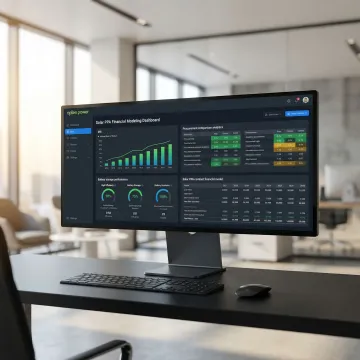
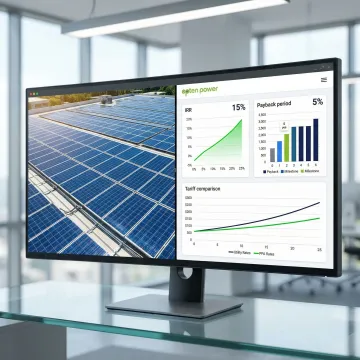
Opten Power's analytics engine generates tariff intelligence, procurement viability period, and regulatory impact analysis in seconds after you enter basic consumption and location details. There is no manual modeling required — the platform pulls real-time DISCOM data and standardized landing prices across all 16 states to produce accurate, comparable outputs instantly.
Which states are covered by the platform?
Opten Power currently operates across 16 states in India, with standardized, up-to-date DISCOM intelligence and pre-vetted renewable projects available in each. The Project Discovery Platform maps your consumption profile to eligible projects in your state, surfacing capacity, tariff, technology type, and developer credentials for every matching opportunity.
What types of businesses can use the PPA modeling software?
The platform is designed for commercial and industrial consumers including manufacturing units, steel, cement, textile, and fertiliser industries, data centres, hospitals, warehouses, IT parks, hotels, and commercial complexes. It is equally suited for renewable developers, EPC companies, independent power producers, and institutional buyers seeking structured deal flow.
How does the automated tendering feature work?
The automated tender engine allows buyers to create structured RFPs using modular templates, distribute them to multiple vetted developers simultaneously, and collect bids in a standardized format for direct comparison. Combined with pre-approved PPA contract templates, the process compresses deal timelines by up to 50% — from project discovery through to contract finalization.
Is there a capital requirement to get started?
It depends on your chosen procurement model. The Third-Party Open Access model requires no upfront procurement cost and no maintenance responsibilities — savings begin immediately. The Group-Capex model requires a low upfront commitment while offering the highest procurement efficiency. The Capex model involves full asset ownership and is best suited for large enterprises seeking complete ownership and tax benefits.
How accurate are the cost comparison and savings projections?
Opten Power uses standardized, continuously updated DISCOM landing prices sourced directly from regulatory filings across all 16 states. This eliminates the estimation errors common in manual spreadsheet models. Projections factor in state-specific wheeling charges, regulatory surcharges, and applicable exemptions — giving buyers a true landed cost of energy rather than a generic indicative tariff.